
Work package 1: Clinical effectiveness
Work page 1 is led by Maud Lemoine, Gibril Ndow and Alexander Stockdale
The goal of work package 1 is to assess the clinical effectiveness and safety of a policy to treat all pregnant women who test positive for hepatitis B with tenofovir, regardless of HBV DNA viral load.
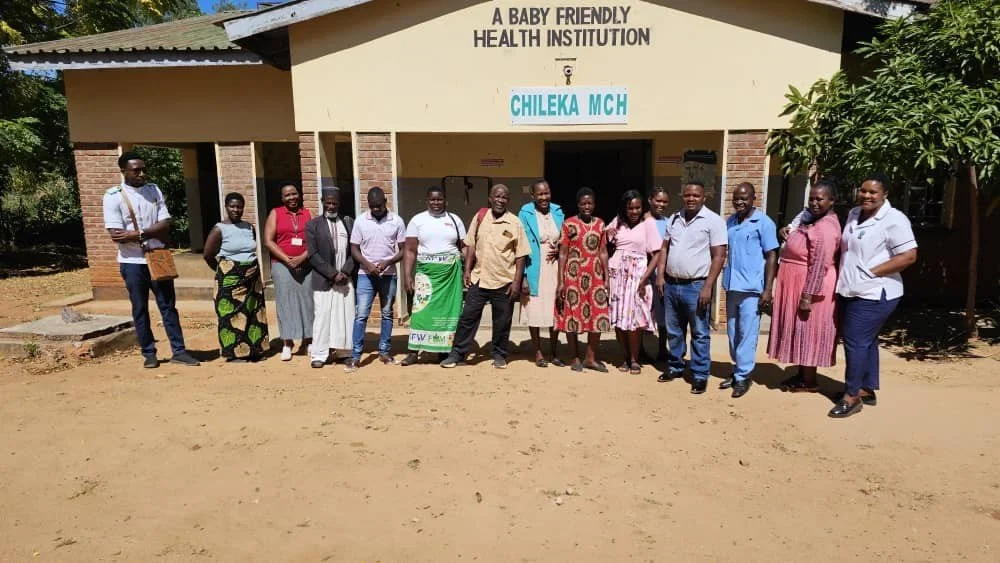
We will enrol participants who are pregnant women testing positive for hepatitis B at five antenatal clinic sites in Malawi and five sites in The Gambia.
We will follow up women throughout the pregnancy and after delivery.
For mothers who do not wish to continue tenofovir and do not require ongoing treatment for their own health, we will monitor women closely after cessation of tenofovir to look for evidence of hepatic flares after stopping. Flares are where there can be liver inflammation due to rising hepatitis B levels after stopping treatment.
We will follow up infants up to six months of age when we will test them for hepatitis B to find out if the intervention has successfully prevented vertical transmission: this is the clinical effectiveness.
We will also do some virological studies to look at the relationship between the starting virus load level and the rates of transmission observed, ask about adherence to the tenofovir treatment, and store blood samples for additional viral tests including some emerging biomarkers which could be used.